

St John Ambulance First Aid Manual: A Comprehensive Guide
St John Ambulance provides Canadians with evidence-based first aid training, reflecting emerging trends in emergency response and offering vital skills for all situations.
This comprehensive guide, backed by research, empowers individuals with confidence, knowledge, and practical techniques to effectively assist in medical emergencies.
Resources include downloadable first aid guidelines, mobile device information sheets, and expert advice from St John Ambulance NSW, ensuring up-to-date expertise.
St John Ambulance is a globally recognized humanitarian organization dedicated to the teaching and provision of first aid and health services. For over a century, they’ve been at the forefront of emergency preparedness, empowering individuals with the skills to save lives.
Their commitment extends to providing scientifically-backed training, continually updated to reflect the latest advancements in medical practices. This ensures that all first aiders, from workplace employees to concerned citizens, receive the most effective and current guidance.
First aid, at its core, is the immediate care given to someone who has been injured or suddenly taken ill. It’s about preserving life, preventing the condition from worsening, and promoting recovery. St John Ambulance emphasizes the importance of proactive training, fostering a culture of preparedness within communities and workplaces.
The organization’s resources, including downloadable guides and mobile information sheets, make learning accessible to everyone, promoting a safer and more resilient society.
The Importance of First Aid Training in the Workplace
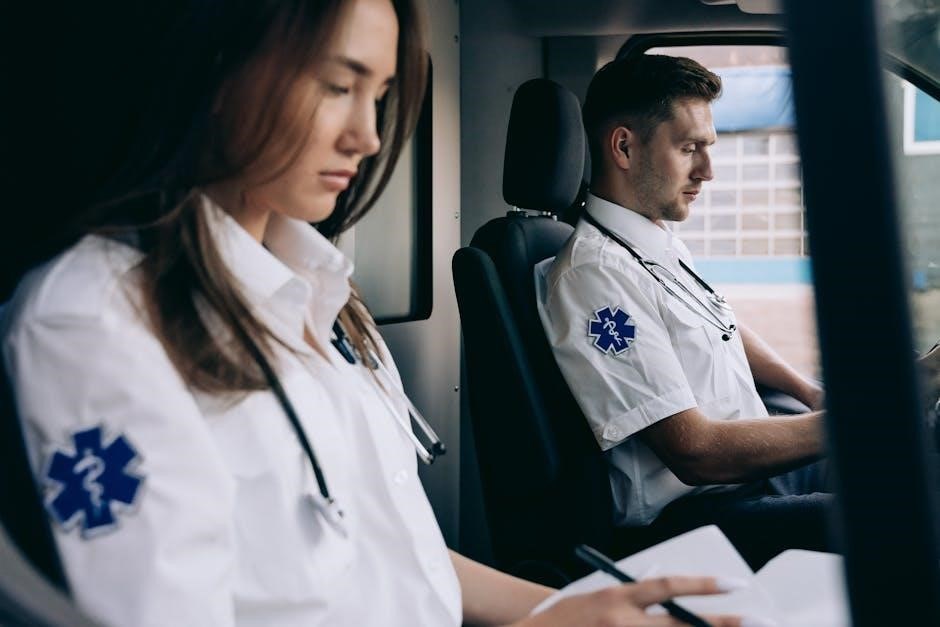
Recent research from St John Ambulance highlights a critical need for increased first aid training within workplaces. A significant portion of employees express anxiety about their ability to respond effectively to emergencies, with nearly a third lacking confidence in life-saving skills.
Providing staff with comprehensive first aid training isn’t just a matter of compliance; it’s an investment in employee wellbeing and a demonstration of duty of care. Trained first aiders can provide immediate assistance, potentially minimizing the severity of injuries and even saving lives before professional help arrives.
This training reduces workplace anxiety, fosters a safer environment, and can contribute to reduced downtime due to accidents. St John Ambulance offers tailored courses designed to equip employees with the necessary skills and knowledge to handle a variety of workplace emergencies.
Addressing this skills gap is crucial for creating a confident and prepared workforce.
Home First Aid Kits: Essential Contents and Maintenance
St John Ambulance emphasizes the importance of readily available first aid supplies in every home. Surprisingly, research indicates a low percentage of Victorian households – only 59% – currently maintain a home first aid kit, the lowest rate in Australia.
A well-stocked kit should include items like adhesive bandages, antiseptic wipes, sterile gauze pads, adhesive tape, pain relievers, and a thermal blanket. Don’t forget essential tools like scissors and tweezers. Consider including items specific to your family’s needs, such as allergy medication.
Regular maintenance is vital. Check expiration dates on all medications and replace used or expired items promptly. Store the kit in an easily accessible, yet secure location, away from children and extreme temperatures.
Knowing the kit’s contents and how to use them is just as important as having one.
Basic Life Support (BLS): Core Principles
St John Ambulance prioritizes Basic Life Support (BLS) as a foundational skill for responding to life-threatening emergencies. BLS training equips individuals with the knowledge and confidence to provide immediate care until professional medical help arrives.
Core principles include assessing the scene for safety, checking for responsiveness, activating emergency medical services (EMS), and initiating CPR if necessary. Effective chest compressions and rescue breaths are crucial components of BLS.
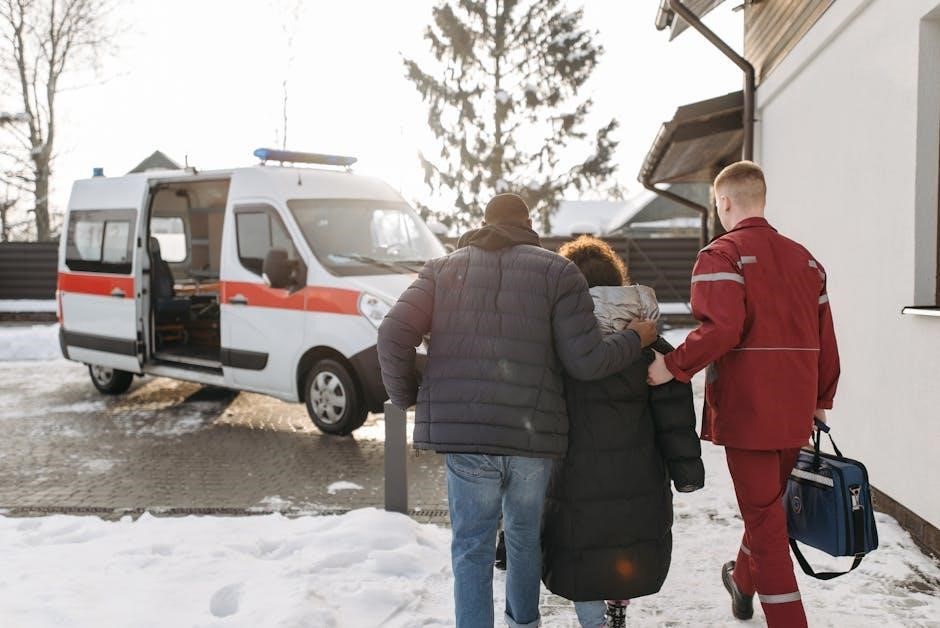
St John Ambulance continually updates its BLS guidelines based on the latest scientific evidence. Understanding proper hand placement, compression depth, and ventilation techniques is paramount.
Regular refresher courses are recommended to maintain proficiency and stay current with evolving best practices in life-saving interventions.
Recognizing and Responding to Emergencies
St John Ambulance emphasizes the importance of swift and decisive action when encountering an emergency. Recognizing the signs and symptoms of various conditions is the first critical step. This includes assessing the situation for potential hazards to ensure personal safety before approaching the casualty.
Effective response involves accurately assessing the casualty’s condition – are they conscious, breathing, and have a pulse? Activating emergency medical services (EMS) promptly is vital, providing clear and concise information about the situation.
St John Ambulance training equips individuals with the skills to prioritize care, manage the scene, and provide appropriate first aid until professional help arrives, fostering confidence in emergency situations.
Dealing with Common Injuries
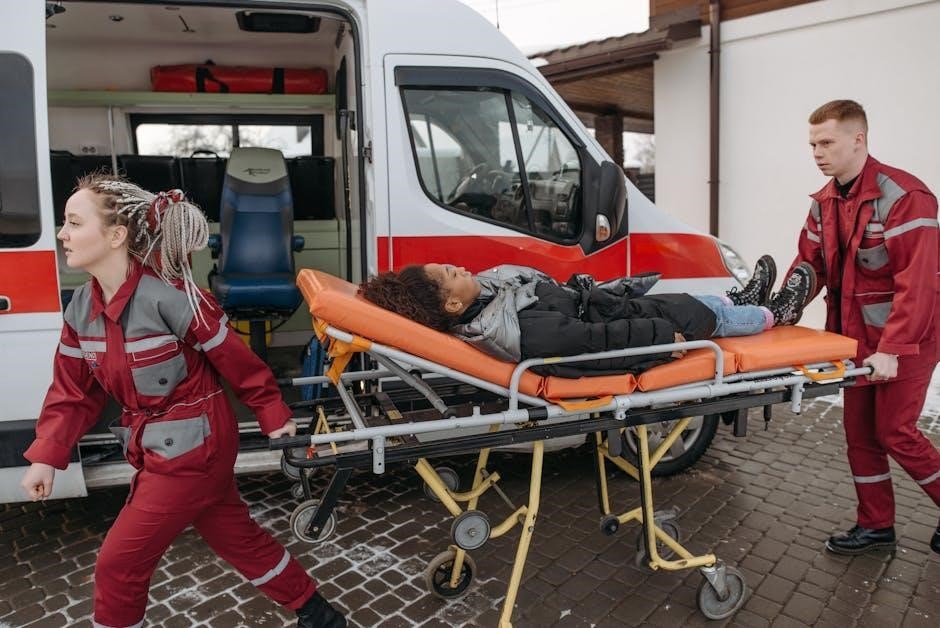
St John Ambulance’s manual provides detailed guidance on managing frequently encountered injuries. For cuts, scrapes, and minor wounds, the focus is on cleaning the area thoroughly, controlling bleeding with direct pressure, and applying a sterile dressing to prevent infection;
Regarding sprains and strains, the RICE protocol – Rest, Ice, Compression, and Elevation – is highlighted as a crucial initial treatment. For burns, classification is key, dictating the appropriate first aid procedures, ranging from cooling with water to seeking immediate medical attention.
St John Ambulance emphasizes a systematic approach to injury assessment and management, ensuring effective care and promoting optimal recovery.
Cuts, Scrapes, and Minor Wounds
St John Ambulance’s first aid manual prioritizes thorough cleaning for cuts, scrapes, and minor wounds. Gently wash the affected area with mild soap and water to remove dirt and debris, preventing infection. Control bleeding by applying direct, firm pressure using a clean cloth until it stops.
Once bleeding is controlled, apply a sterile dressing to protect the wound and promote healing. The manual stresses the importance of monitoring for signs of infection, such as increased pain, redness, swelling, or pus.
For minor injuries, St John Ambulance advises regular dressing changes and seeking medical advice if the wound doesn’t heal or shows signs of complications.
Sprains and Strains: Assessment and Treatment
St John Ambulance’s first aid manual advocates for the RICE protocol – Rest, Ice, Compression, and Elevation – for sprains and strains. Initially, immobilize the injured area and rest it to prevent further damage. Apply an ice pack for 10-20 minutes every 2-3 hours to reduce swelling and pain.
Compression, using a bandage, helps minimize swelling, but ensure it’s not too tight. Elevate the injured limb above heart level to further reduce swelling. The manual emphasizes assessing the severity of the injury; if pain is severe or there’s suspected fracture, seek immediate medical attention.
Continued monitoring and gentle range-of-motion exercises, as advised by a healthcare professional, are crucial for recovery.
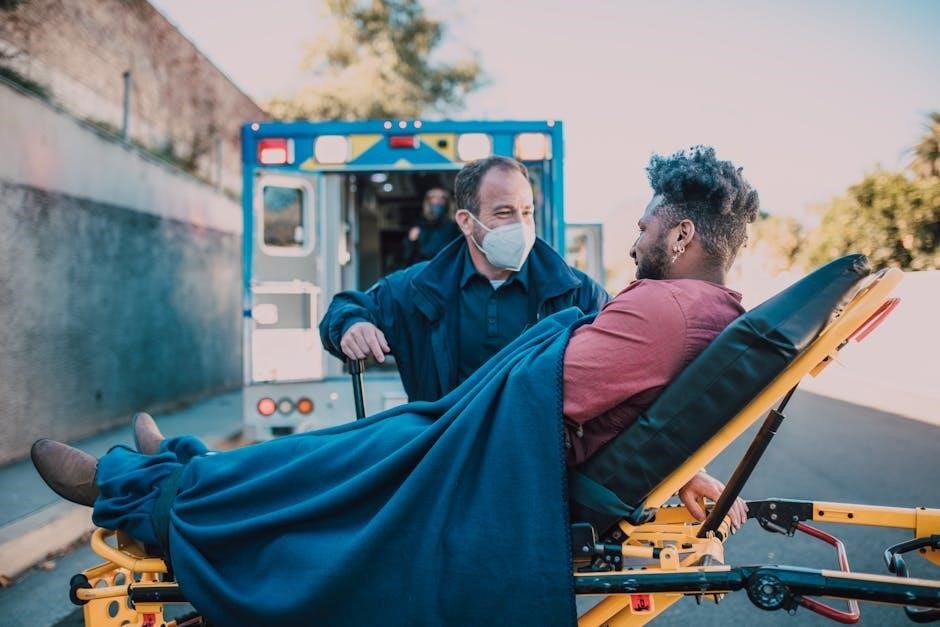
Burns: Classification and First Aid Procedures
St John Ambulance’s first aid manual details burn classification: first-degree (redness), second-degree (blisters), and third-degree (tissue damage). For minor burns, cool the area under cool (not cold) running water for 20 minutes. Cover loosely with a sterile, non-adhesive dressing.
Do not apply ice, butter, or ointments, as these can worsen the burn. The manual stresses that significant burns – large area, deep, or involving face/joints – require immediate medical attention. Monitor for shock and ensure the casualty remains calm and comfortable.
Seek professional help for any burn causing concern, and always prioritize safety when assisting a burned individual.
Responding to Medical Emergencies
St John Ambulance’s first aid manual emphasizes rapid assessment and response to medical emergencies. Key conditions covered include choking, drowning, heart attack, and stroke. Immediate action can significantly improve outcomes.
The manual provides clear guidance on recognizing symptoms – chest pain for heart attack, facial drooping for stroke – and initiating appropriate first aid. For choking, techniques differ for adults, children, and infants, requiring specific skills. Drowning protocols prioritize rescue and resuscitation.
Remember to call for emergency medical services promptly and provide accurate information to dispatchers. Staying calm and following St John Ambulance guidelines is crucial.
Choking: Techniques for Adults, Children, and Infants
St John Ambulance’s first aid manual details distinct choking interventions based on age. For adults and children, the Heimlich maneuver – abdominal thrusts – is crucial. Proper hand placement is vital: fist above the navel, other hand grasping the fist, and forceful upward thrusts.
Infant choking requires a different approach. Support the infant face down, deliver five back blows between the shoulder blades, then five chest thrusts using two fingers. Alternate until the object is dislodged.
The manual stresses recognizing choking signs – inability to speak, cough, or breathe – and acting swiftly. Training is essential for confident, effective response.
Drowning: Rescue and Resuscitation Protocols
St John Ambulance’s first aid manual prioritizes safety during water rescues. Before entering the water, assess your abilities and ensure help is on the way. Reach, throw, or wade if possible, avoiding direct entry unless trained.
Once the casualty is retrieved, assess responsiveness and breathing. If unresponsive and not breathing, initiate Basic Life Support (BLS), starting with chest compressions. Rescue breaths are crucial, but prioritize compressions if unwilling or unable to perform them.
The manual emphasizes continued monitoring even after apparent recovery, as secondary drowning can occur. Seek immediate medical attention in all drowning incidents.
Heart Attack and Stroke: Recognizing Symptoms and Initial Response
St John Ambulance’s first aid manual stresses rapid recognition of heart attack and stroke symptoms. Heart attack signs include chest pain, shortness of breath, and radiating discomfort. Stroke symptoms often present as facial drooping, arm weakness, and speech difficulties – remember the FAST acronym.
The initial response involves immediately calling emergency services. Encourage the casualty to rest in a comfortable position. If a heart attack is suspected, assist with prescribed medication, like nitroglycerin, if available and trained.
Continuous monitoring is vital, noting any changes in condition until professional help arrives. Prompt action significantly improves outcomes for both conditions.
First Aid for Specific Conditions
St John Ambulance’s first aid manual details responses to unique medical situations. This includes guidance on assisting during childbirth, emphasizing reassurance and preparation for emergency services arrival. Managing severe allergic reactions (anaphylaxis) requires recognizing symptoms like difficulty breathing and administering epinephrine auto-injectors, if available and the first aider is trained.
The manual also covers head injuries, stressing the importance of assessment and continuous monitoring for changes in consciousness or neurological function. Stabilizing the casualty and preventing further injury are key priorities.
These specific condition protocols highlight the need for tailored first aid interventions beyond basic life support.
Assisting During Childbirth: A First Aid Perspective
St John Ambulance’s guidance on assisting during childbirth focuses on providing support and reassurance to the mother while awaiting professional medical help. A first aid responder’s primary role isn’t to deliver the baby, but to create a safe and calm environment.
This involves preparing a clean delivery area, offering emotional support, and monitoring the mother’s condition. Post-delivery, focus shifts to keeping both mother and baby warm and comfortable.
Crucially, the manual emphasizes the importance of calling emergency services immediately and following their instructions. First aiders should never intervene directly unless specifically instructed by medical professionals.
Managing Severe Allergic Reactions (Anaphylaxis)
St John Ambulance’s first aid manual highlights the critical importance of swift action when dealing with anaphylaxis, a severe and potentially life-threatening allergic reaction. Recognizing symptoms – such as difficulty breathing, swelling, and hives – is paramount.
The core of management involves assisting the individual with their epinephrine auto-injector (EpiPen), if available, and calling emergency services immediately. Even after epinephrine administration, continued monitoring is vital, as symptoms can return.
First aiders are trained to position the casualty appropriately – typically lying down with raised legs – to help maintain blood pressure and support breathing until professional help arrives. Prompt action can be life-saving.
Head Injuries: Assessment and Monitoring
St John Ambulance’s first aid guidance emphasizes a cautious approach to head injuries, recognizing their potential severity. Initial assessment focuses on the level of consciousness, airway, breathing, and circulation (ABCs). Any loss of consciousness, even brief, warrants immediate medical attention.
First aiders are trained to immobilize the head and neck, preventing further injury, and to monitor for signs of deterioration, such as increasing headache, vomiting, or changes in pupil size. Avoid unnecessary movement of the casualty.
Continuous observation is crucial, as symptoms can develop or worsen over time. Prompt and accurate reporting of observations to emergency services is vital for appropriate medical intervention.
Advanced First Aid Techniques
St John Ambulance’s advanced training encompasses critical life-saving skills, including updated CPR (Cardiopulmonary Resuscitation) guidelines. These techniques emphasize early chest compressions and minimizing interruptions to maximize blood flow.
Furthermore, training covers the proper Automated External Defibrillator (AED) usage. First aiders learn to quickly assess heart rhythms and deliver potentially life-saving electrical shocks, following clear voice prompts from the device.
These advanced techniques require regular refresher courses to maintain proficiency and stay current with evolving medical protocols. St John Ambulance is committed to providing Canadians with the latest, evidence-based practices.
CPR (Cardiopulmonary Resuscitation): Updated Guidelines
St John Ambulance emphasizes the importance of early and effective CPR. Current guidelines prioritize chest compressions, advocating for continuous compressions with minimal interruptions. The rate should be 100-120 compressions per minute, pushing hard and fast in the center of the chest.
Rescue breaths are still a component, but the emphasis has shifted towards compression-only CPR for untrained bystanders, encouraging immediate action. Proper hand placement and body positioning are crucial for maximizing compression effectiveness.
Regular updates to CPR guidelines reflect ongoing research and aim to improve survival rates. St John Ambulance provides comprehensive training to ensure first aiders are equipped with the most current techniques.
Automated External Defibrillator (AED) Usage
St John Ambulance training highlights the critical role of AEDs in improving survival rates from sudden cardiac arrest. AEDs analyze heart rhythm and deliver an electrical shock if needed, restoring a normal heartbeat. Early defibrillation significantly increases chances of survival.
Proper AED usage involves turning it on, attaching pads to the casualty’s bare chest (one on the upper right, one on the lower left side), and following the device’s voice prompts. It’s crucial to ensure no one touches the casualty during shock delivery.
St John Ambulance emphasizes that AEDs are designed for ease of use, even by untrained individuals, and are a vital component of a comprehensive emergency response plan.
Staying Up-to-Date with First Aid Knowledge
St John Ambulance stresses that both first aid and health & safety are continually evolving fields. Regular updates are essential for all first aiders to maintain proficiency and provide the most effective care. The St John Ambulance website (sja.org.uk) serves as a primary resource for the latest guidelines and information.
Periodic refresher courses are highly recommended to reinforce skills and learn about new techniques. Staying informed about changes in protocols ensures confidence and competence when responding to emergencies.
St John Ambulance is committed to disseminating current best practices, empowering individuals to deliver life-saving assistance based on scientific evidence and emerging trends.
Resources and Further Information from St John Ambulance
St John Ambulance offers a wealth of resources to enhance first aid knowledge and preparedness. Their website provides downloadable first aid guidelines covering a wide range of emergencies, including burns, choking, and assisting during childbirth.

Mobile device users can access valuable information sheets, such as guides on setting up Medical IDs, ensuring crucial medical information is readily available in critical situations.
St John Ambulance NSW provides expert first aid advice, fostering confidence and skill development. Explore their comprehensive training programs and stay connected for updates and vital emergency response information.
Legal Considerations in First Aid Provision
Providing first aid carries legal responsibilities. While St John Ambulance training equips individuals with skills, understanding legal boundaries is crucial. Good Samaritan laws generally offer protection to those assisting in emergencies, but knowledge of local regulations is essential.
Employers have a duty of care to provide a safe working environment, often necessitating trained first aiders. Maintaining up-to-date training, as advocated by St John Ambulance, demonstrates due diligence.
Documentation of incidents and provided care is vital. Both first aid and health & safety are evolving; continuous learning via resources like the St John Ambulance website (sja.) ensures compliance and responsible practice.
Mobile First Aid Resources and Guides
St John Ambulance recognizes the need for readily accessible first aid information. They offer a range of mobile resources designed for quick reference in emergency situations, enhancing preparedness wherever you are.
Key resources include downloadable information sheets, specifically a “Medical ID – How to set up guide” in PDF format, enabling individuals to store vital medical details on their devices for easy access by first responders.
These mobile guides complement comprehensive training, providing a convenient refresher on essential techniques. Staying informed about evolving first aid practices, as emphasized by St John Ambulance, is now easier than ever with these portable tools.